Siguotang: Summer Four-Fruits Sweet Bowl
Sea-moss jelly, beans, fruit, and ice — the easiest cool-down after temples and West Street.
Updated 2026-08-06 · 586 words
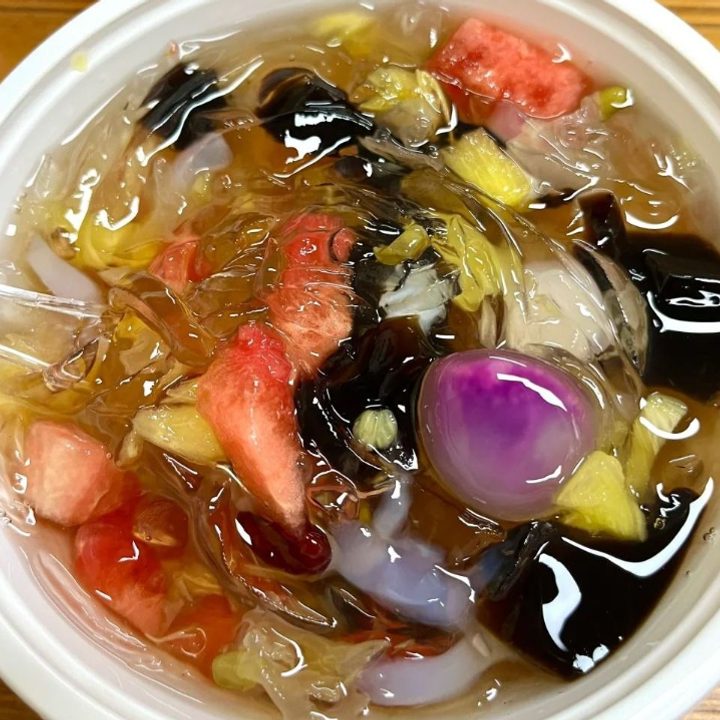
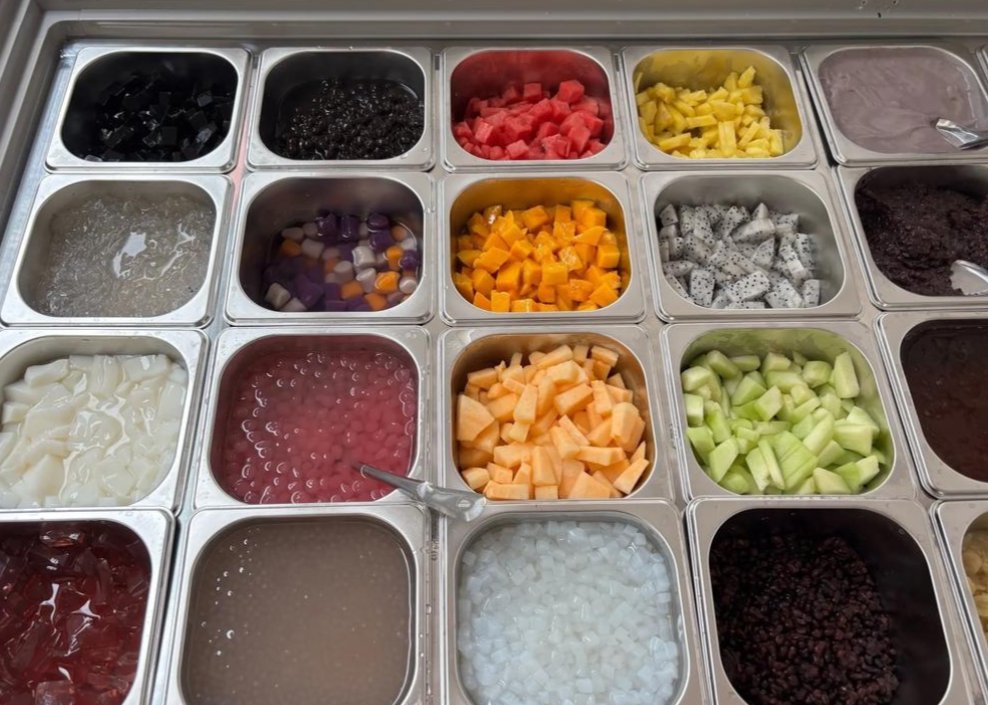
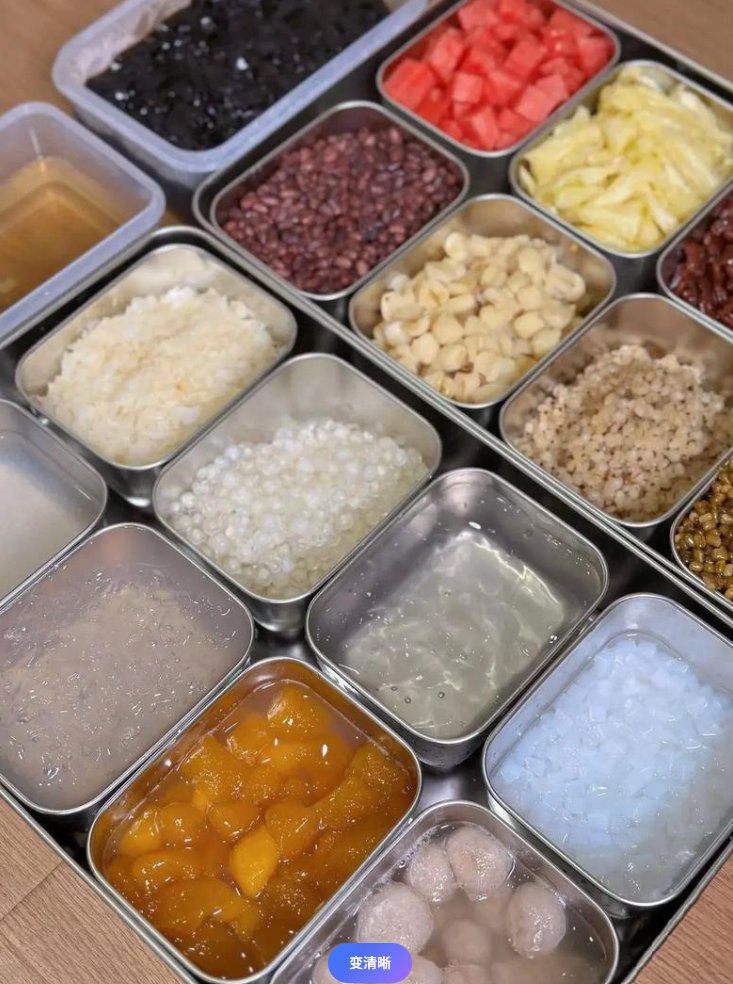
On a Quanzhou summer day, after West Street or Tianhou Temple, the kindest ending often isn’t another mall. It’s a bowl of siguotang. The name says “soup,” but it eats more like a cold sweet buffet: agar jelly from sea moss, grass jelly, taro balls, red beans, mung beans, lotus seeds, white fungus, plus seasonal fruit you choose yourself. Locals can’t even agree what the original “four fruits” were. Today the bowl holds far more, bright as a paint box. The soul is usually shihuagao—sea moss cooked, strained, set clear, shaved into threads, and finished with honey water. Chewy, cool, good even alone. Near Tianhou Temple, shops like Bingzhengtang draw lines when the air turns heavy. Tourists and neighbors share the wait; turnover is quick and prices stay gentle.
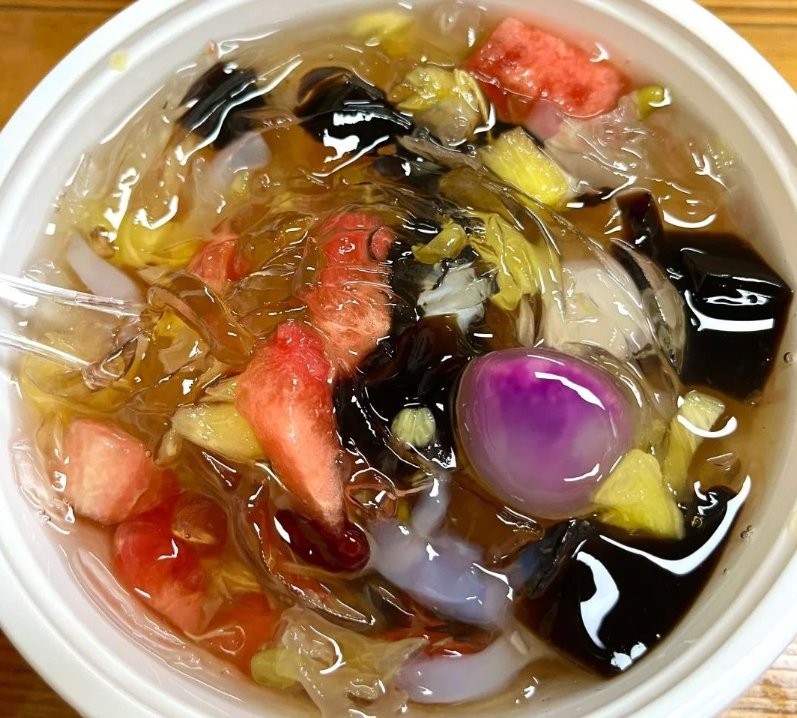
Ordering can differ from a mainland bubble-tea counter, so watch the house rule. Some places sell a ticket first, then let you pick toppings—often a set number per bowl. Ask for less sugar if you want. Take the agar jelly; add taro paste for softness, fruit and grass jelly for lift. Skip the supermarket pearls if you came for local taste. Sensitive teeth? Toppings without a mountain of shaved ice. Share after a meal or order one each for an afternoon pause. Some shops warm the syrup in winter, but the dish belongs to sticky afternoons. Dry throat after temples, or too much seafood—this bowl helps. Bring tissues; ice cups sweat.
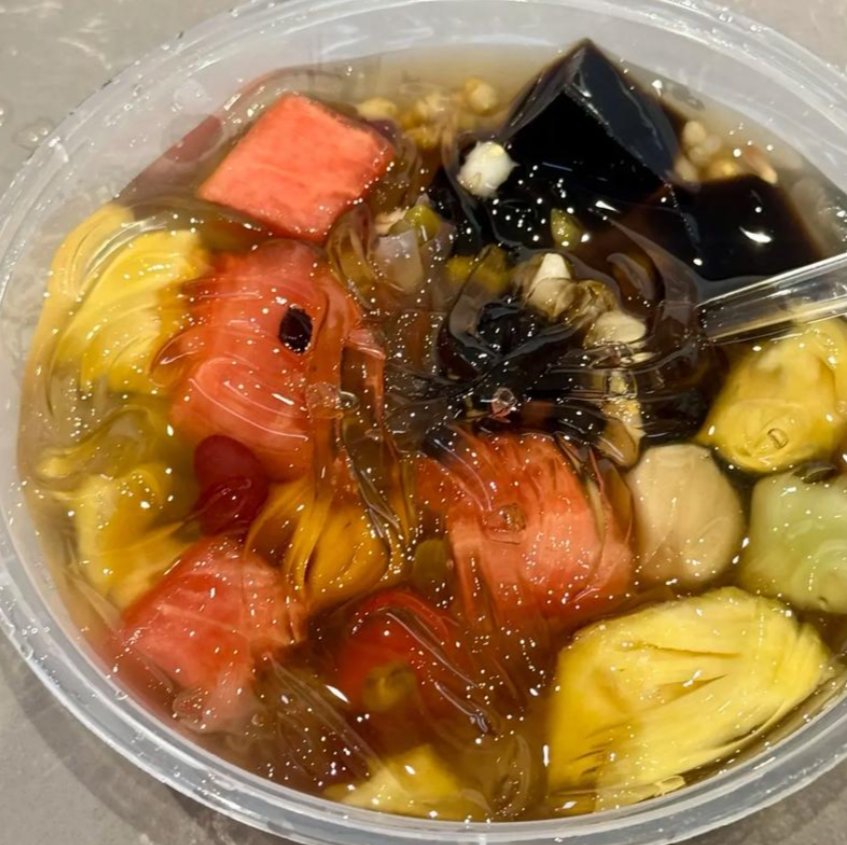
Treat it as a small break, not a mandatory check-in. Set the bag down, dig the spoon through jelly, beans, ice, and honey, and let the heat ease. Kids stare at the colors; elders may want only jelly and honey water. Both count as siguotang. Later, in some other city’s heat, you may hear the counter question again—“What do you want added?”—as if a street corner were waving you back. Neat photos matter less than the clink of spoon on bowl. That’s a summer worth keeping.
On-the-ground tips
Quanzhou rewards repeat visits to the same lane at different hours — morning soup stalls, afternoon tea pauses, and evening light on stone change the feel completely. Build one slow block into each day instead of chasing every pin on the map.
Screenshot Chinese names for stops and hotels; show maps to drivers. If a queue looks performative for tourists, walk one block — the second shop is often where locals eat.
Pair with nearby guides
Combine this page with our Discover introductions (Why Visit Quanzhou, First-Timer Mistakes) and the Quanzhou Food or 18 Scenic Spots topics for dish-level and site-level detail.
Corrections welcome: scoscar@gmail.com with this page URL.
Corrections and updates
Hours, prices, and transport routes change. We update guides when travelers write in from the ground. Email scoscar@gmail.com with the page URL if something no longer matches what you see.
Last reviewed with on-site practice in mind — treat every itinerary as a pacing suggestion you adjust to your energy, not a mandate.
Planning the rest of your trip
Most visitors anchor in the old city near Kaiyuan Temple and West Street — see our guides on where to stay, getting around, and sample two- and three-day itineraries. If you arrive from Xiamen, read the day-trip route before you commit to overnight bags.
Food is not a separate activity here — it paces the day. Treat each meal as a scheduled rest in shade, not an afterthought once temples are finished.
Questions or fixes: scoscar@gmail.com with this URL — on-the-ground corrections help every traveler who follows.
Last updated: 2026-08-06 · Visit Quanzhou editorial team · Report an error
Related guides
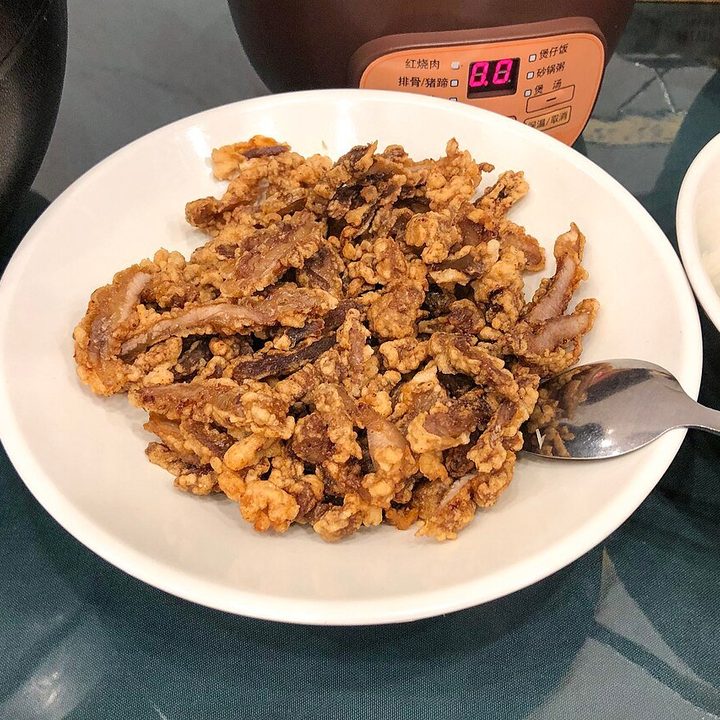
Mianxianhu: Quanzhou’s Morning Noodle Paste
Thin wheat noodles in savory paste, topped your way — the breakfast bowl that wakes old Quanzhou.
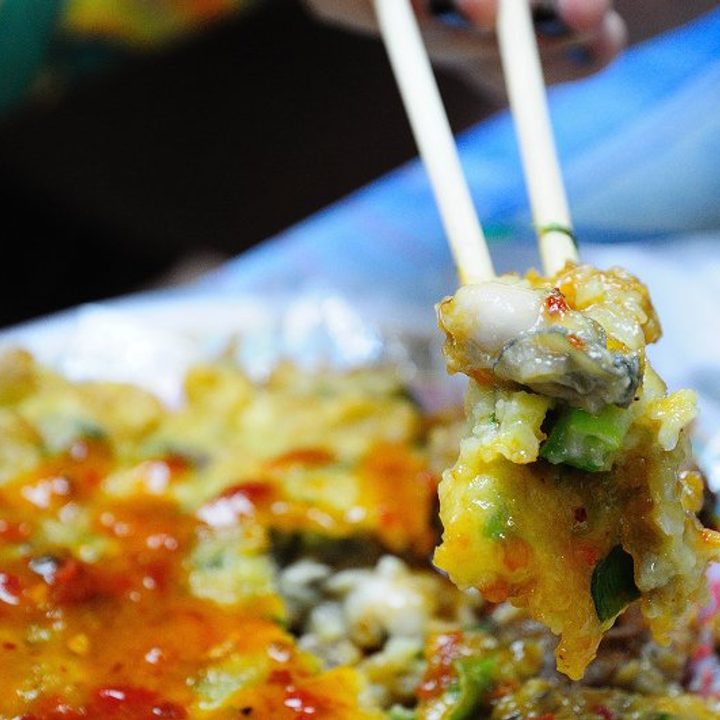
Hailijian: Coastal Oyster Omelette
Hot pan, sweet-potato starch, plump oysters — night-market sizzle from Xunpu to the old town.
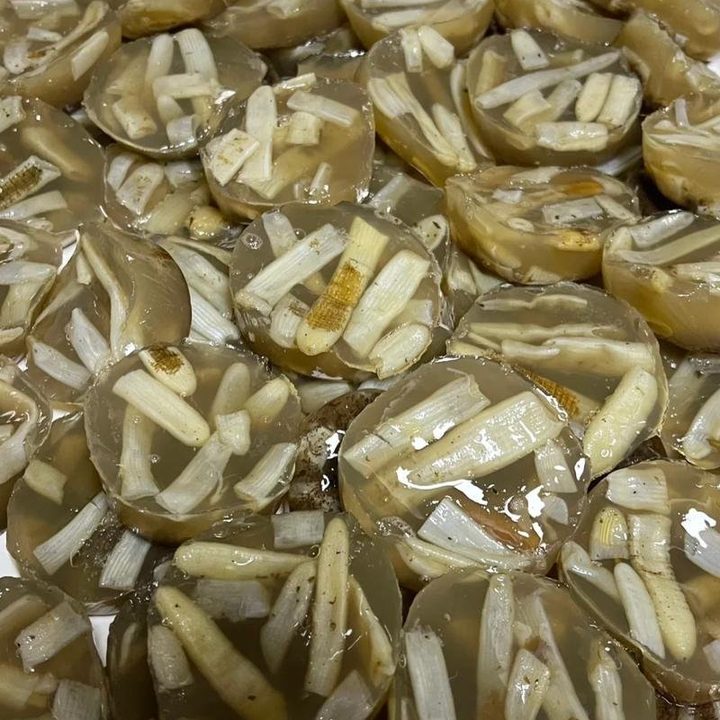
Tusundong: Anhai Sandworm Jelly
A cool, bouncy seafood jelly from coastal mudflats — love it or leave it, unmistakably Quanzhou.
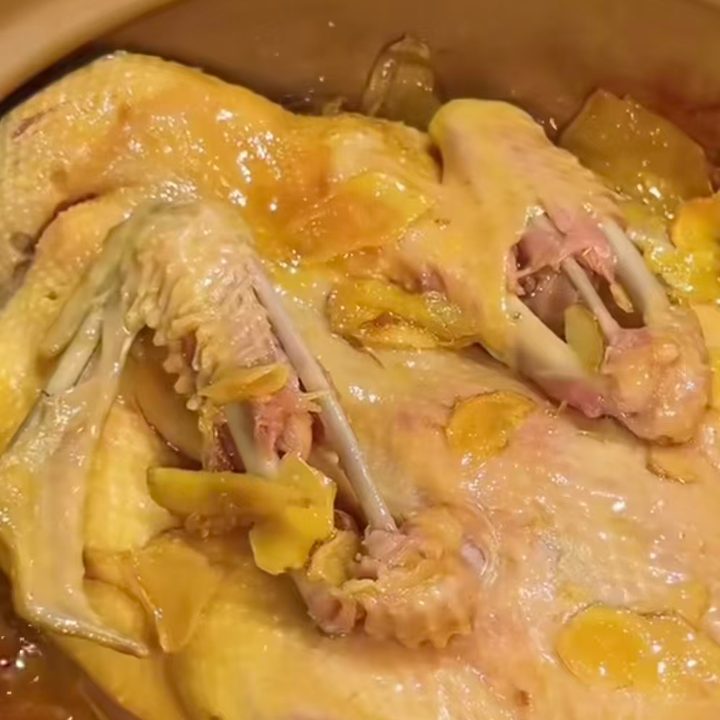
Jiangmu Duck: Old Ginger, Clay Pot Heat
Three-year ginger and muscovy duck in sesame oil — a pot worth sharing, summer or winter.
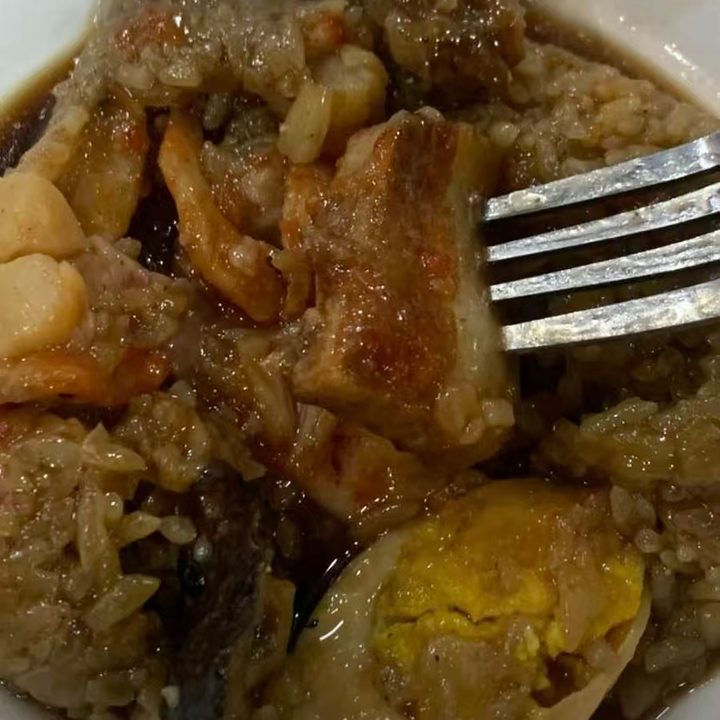
Quanzhou Rouzong: Hot Savory Rice Dumplings
Not a sweet zongzi — peel it hot, add sauce, and taste the port city’s land-and-sea filling.
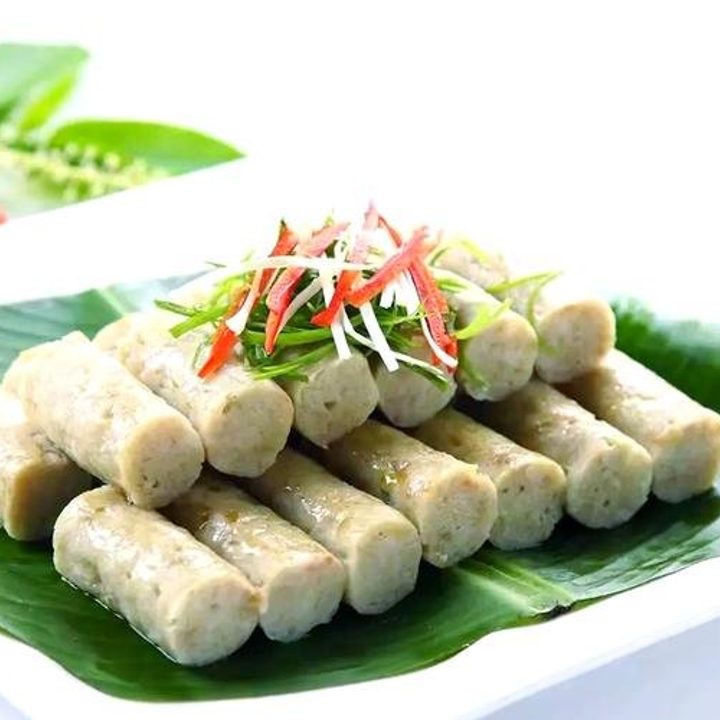
Chongwu Fish Roll: Harbor Fresh, Gift-Ready
Springy Spanish-mackerel rolls from Hui’an’s stone city — eat in soup, fry at home, take as gifts.