Manjiangao: Folded Honeycomb Breakfast Cake
Fermented batter, peanut-sesame fold, honeycomb crumb — Quanzhou’s soft-sweet breakfast with soy milk.
Updated 2026-08-06 · 507 words
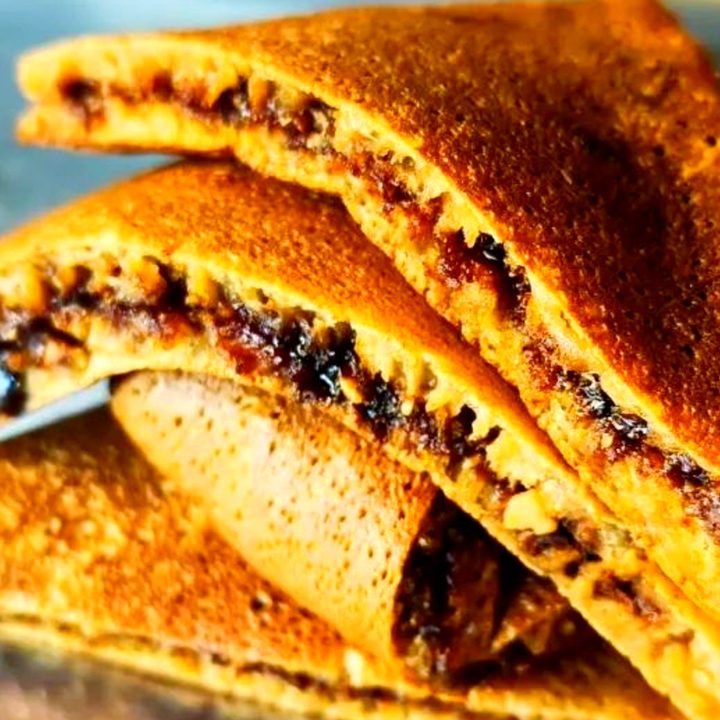
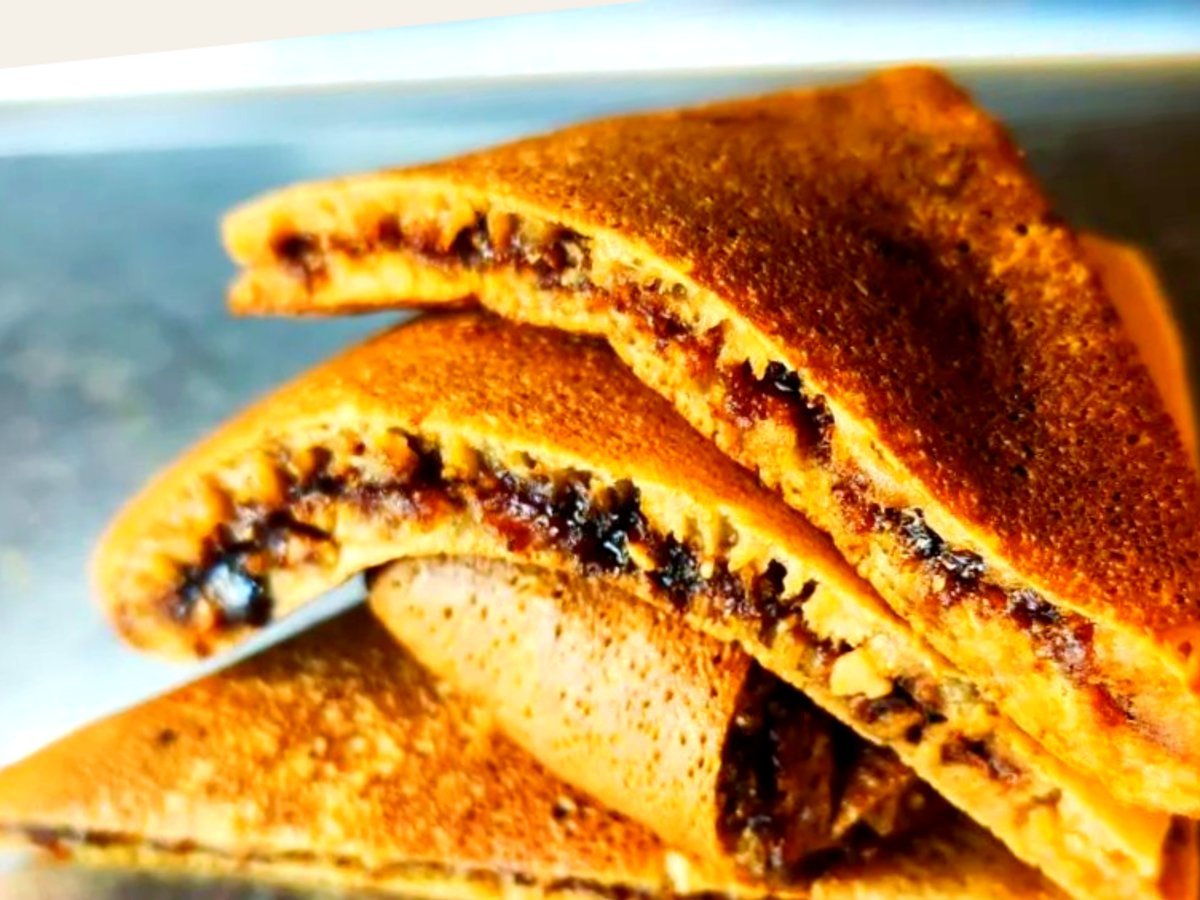
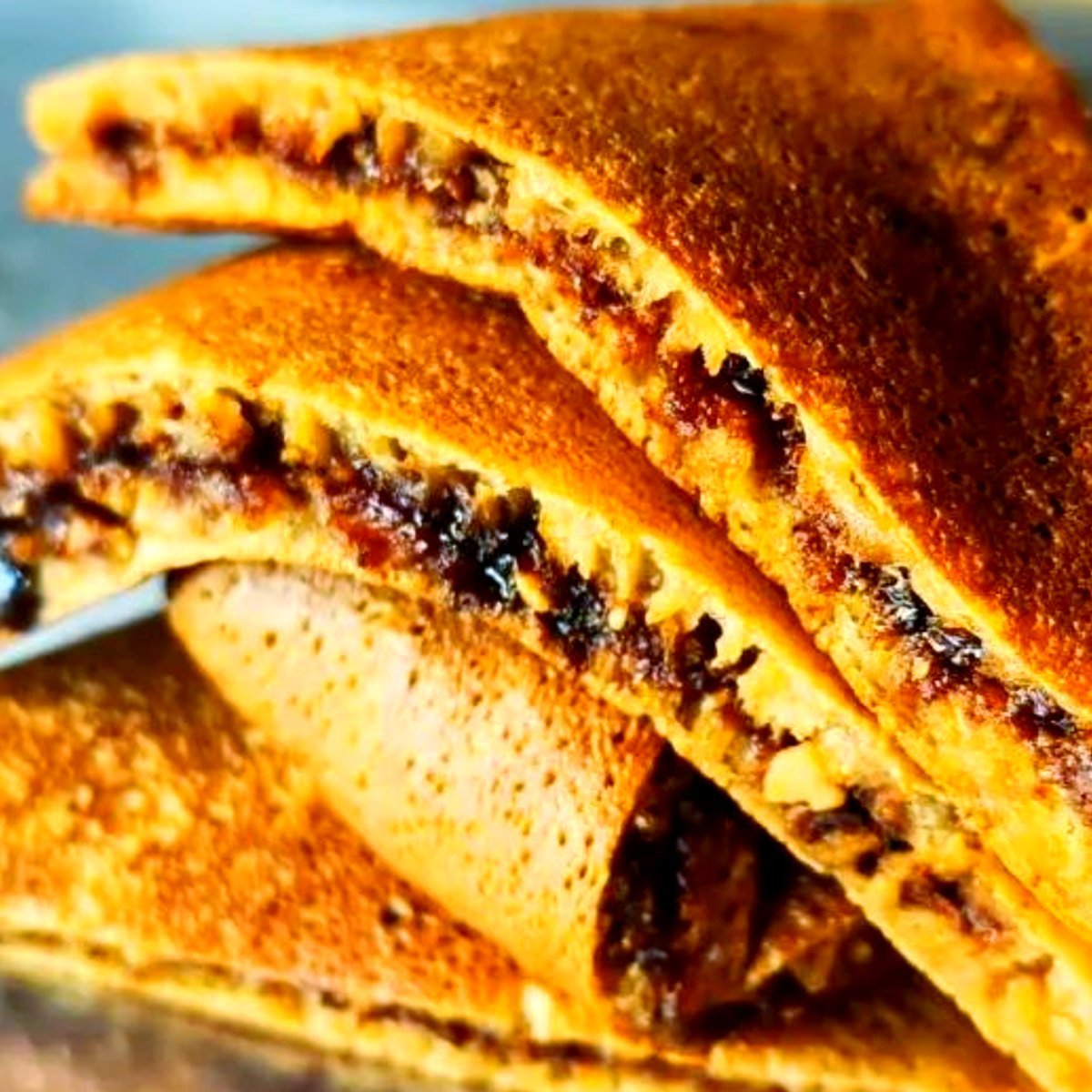
Early in Quanzhou, the smell beside soy-milk stalls is often a little sweet — manjiangao just off the pan. Fermented batter spreads in a skillet over low heat until the surface fills with honeycomb holes; peanut crumbs, sesame, and sugar dust the top before the cake folds into a half-moon. Slice it and the layers fan open. In Minnan speech, “man” sounds full, as if sweetness were packed to the brim. Hot from the pan the skin has a light crisp; inside it stays soft and springy. With fresh soy milk, it wakes a slow morning. Old-town stalls often open around six; following office queues usually beats any rating app. Steam rises, and the whole lane feels awake.
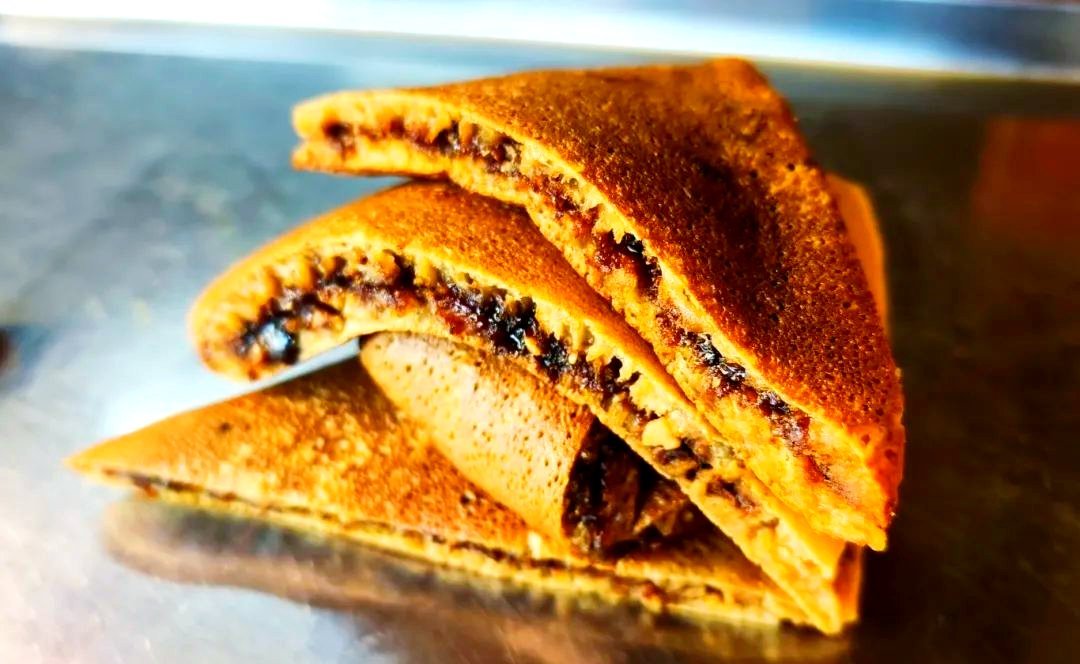
The method looks simple; the heat is not. Batter must rise just enough for even holes. Too hot and the bottom burns; too cool and the top stays raw. Shops around Peixiang offer peanut sugar, black-sesame sugar, or candied winter melon in the fold — sweet without cloying. Some sell a lighter fold with less filling and only the brown-sugar note in the cake itself. For visitors near West Street or the Clock Tower, take a piece while it steams, add freshly ground soy milk, and let the gap before temples fill with a gentle sweet. It isn’t as savory as noodle paste or as filling as meat zongzi. It’s breakfast that fits a ten-minute pause before you walk again. The stallholder scoops, dusts, and folds without looking up; “one piece” is all you need to say.
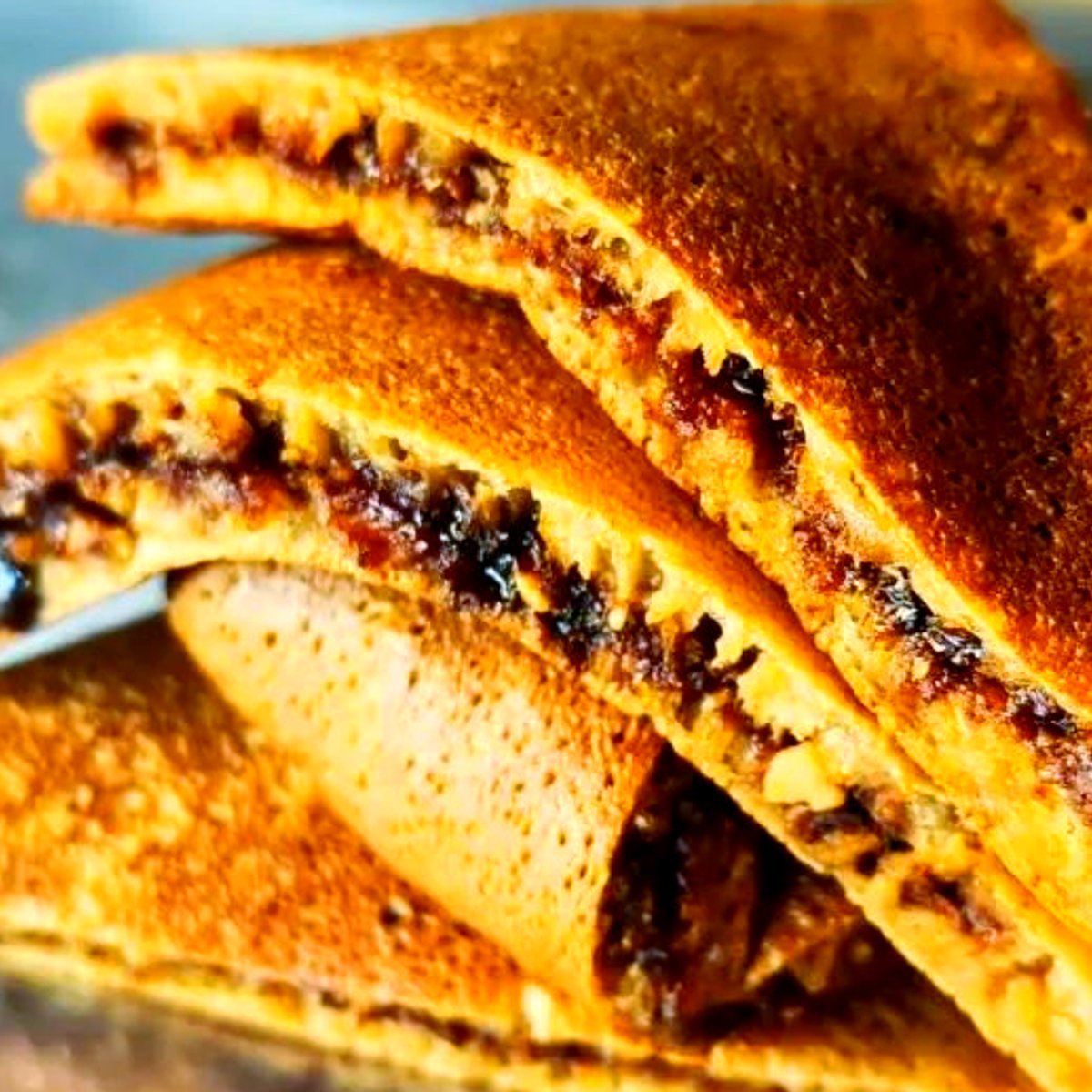
Folklore ties the cake to Zuo Zongtang and travel rations; treat that as color. What stays on the tongue is peanut and sesame. Winter and spring are peak season; some stalls run year-round. Already ordered mianxianhu or peanut soup? Add half a cake for a sweet finish. Want something light? One piece and soy milk, then Kaiyuan Temple. The cut face tells the truth: tight honeycomb means the batter woke properly; warm peanut crumbs mean you arrived on time. Some people detour for a famous stall; others are simply stopped by the smell — both arrivals count. Later, when you remember that cross-section and the folded edge, you’ll know Quanzhou folds aroma into breakfast too. Eat it hot — cooled pieces lose the swagger of the pan. If the first bite lands on peanut and sesame, you’ll want to queue again.
On-the-ground tips
Quanzhou rewards repeat visits to the same lane at different hours — morning soup stalls, afternoon tea pauses, and evening light on stone change the feel completely. Build one slow block into each day instead of chasing every pin on the map.
Screenshot Chinese names for stops and hotels; show maps to drivers. If a queue looks performative for tourists, walk one block — the second shop is often where locals eat.
Pair with nearby guides
Combine this page with our Discover introductions (Why Visit Quanzhou, First-Timer Mistakes) and the Quanzhou Food or 18 Scenic Spots topics for dish-level and site-level detail.
Corrections welcome: scoscar@gmail.com with this page URL.
Last updated: 2026-08-06 · Visit Quanzhou editorial team · Report an error
Related guides
Mianxianhu: Quanzhou’s Morning Noodle Paste
Thin wheat noodles in savory paste, topped your way — the breakfast bowl that wakes old Quanzhou.
Hailijian: Coastal Oyster Omelette
Hot pan, sweet-potato starch, plump oysters — night-market sizzle from Xunpu to the old town.
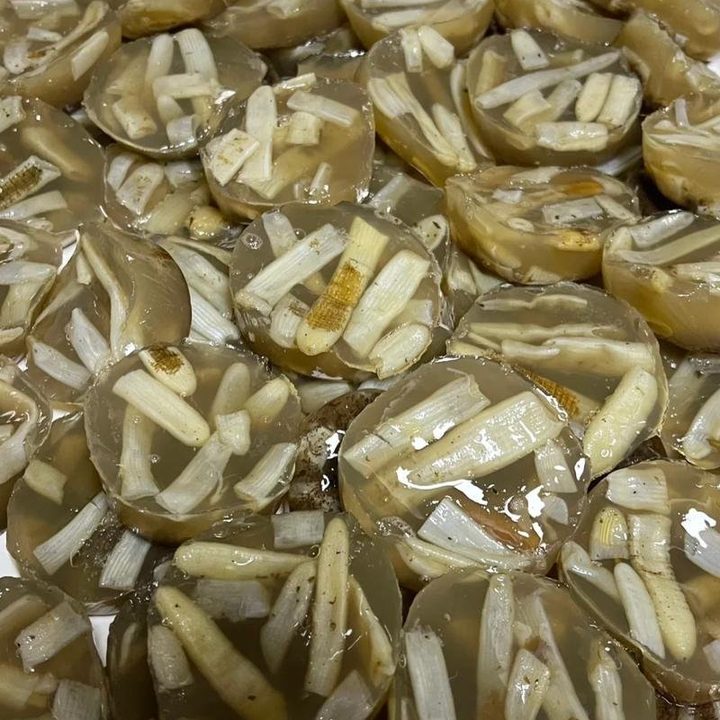
Tusundong: Anhai Sandworm Jelly
A cool, bouncy seafood jelly from coastal mudflats — love it or leave it, unmistakably Quanzhou.
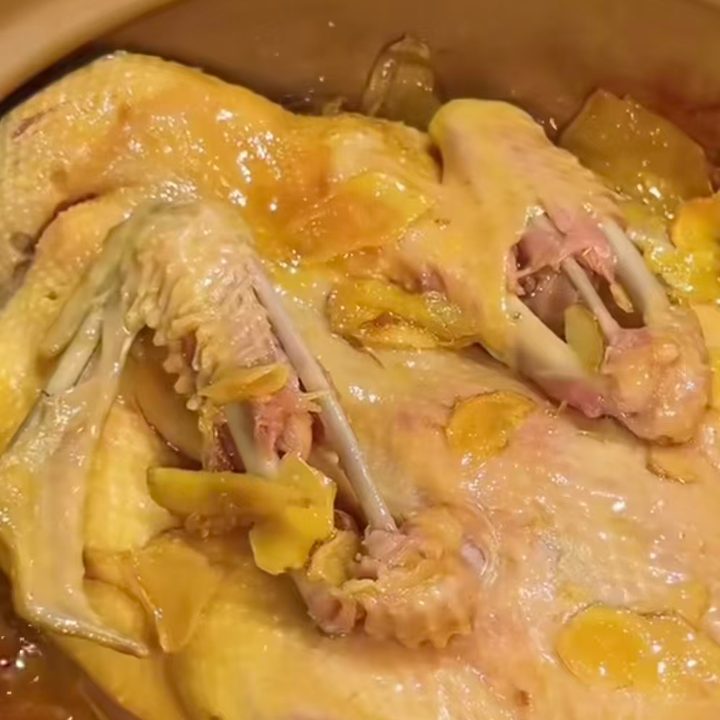
Jiangmu Duck: Old Ginger, Clay Pot Heat
Three-year ginger and muscovy duck in sesame oil — a pot worth sharing, summer or winter.
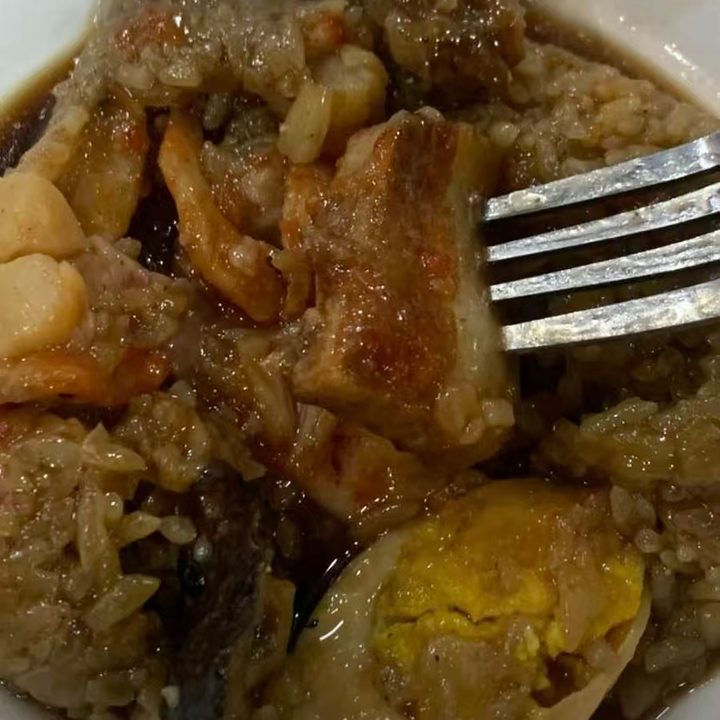
Quanzhou Rouzong: Hot Savory Rice Dumplings
Not a sweet zongzi — peel it hot, add sauce, and taste the port city’s land-and-sea filling.
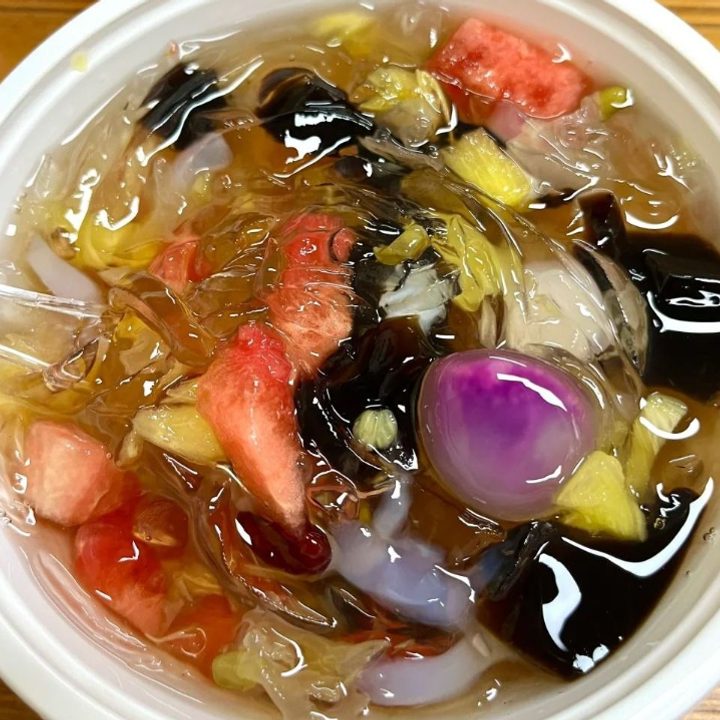
Siguotang: Summer Four-Fruits Sweet Bowl
Sea-moss jelly, beans, fruit, and ice — the easiest cool-down after temples and West Street.