Peanut Soup: Soft Breakfast Comfort
Milky peanut soup with egg and youtiao — a gentle Quanzhou morning that settles the stomach.
Updated 2026-08-06 · 581 words
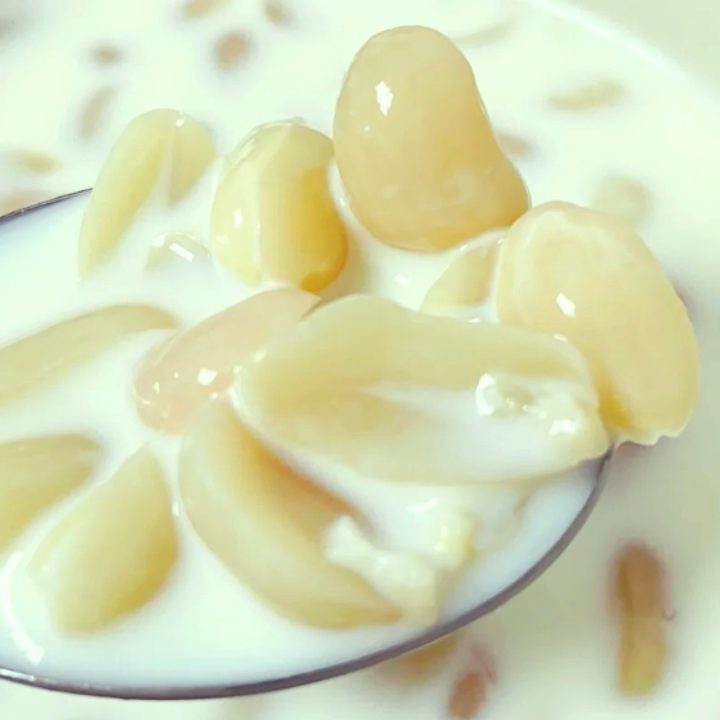
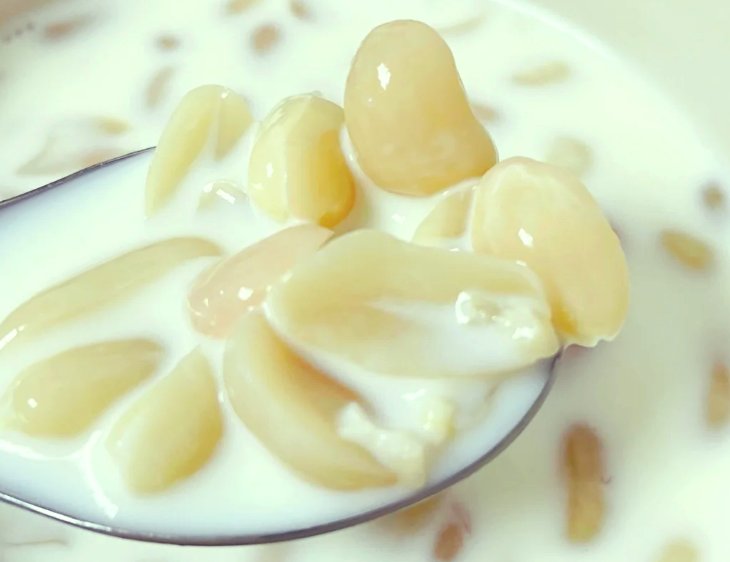
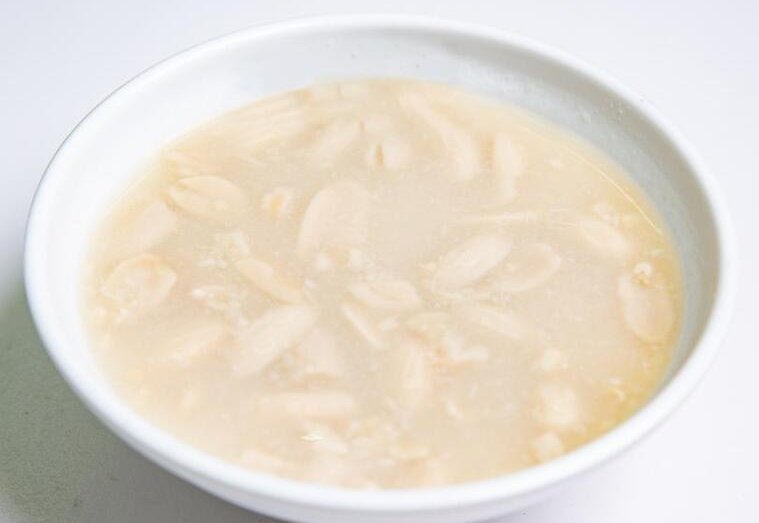
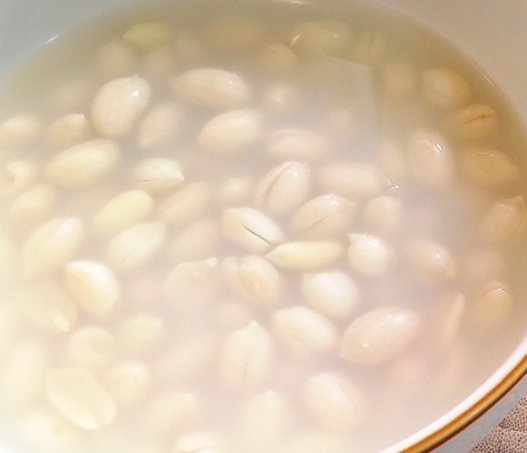
For breakfast in Quanzhou, mianxianhu gets the headlines—but don’t ignore the other clay pot on the counter: peanut soup, milky and gentle. Locals also call it peanut-kernel soup. Good nuts are plump; Hui’an peanuts often get named by old shops. Peeled and simmered slow, they stay whole to the eye yet melt on the tongue, the broth pale, the sweetness mild. Lin Yutang once wrote that Minnan peanut soup nearly dissolves in the mouth. That soft give is what travelers fall for. From seven to nine the shops are busiest—neighbors packing takeaway, strangers sharing the same sweet steam. On rainy mornings the fogged glass feels like a welcome.
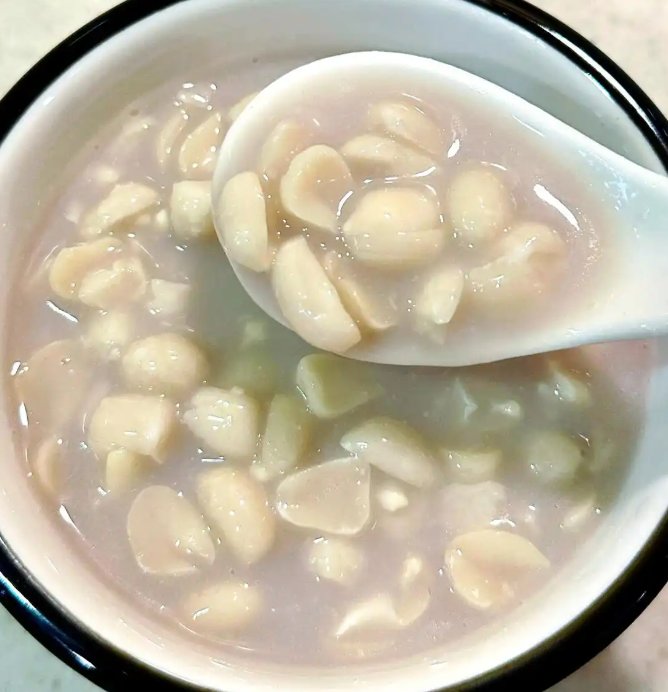
The local code when ordering: add egg. Hot soup into beaten egg makes soft ribbons around the peanuts—richer, more filling. Then get a youtiao. Break it in, let the crust stay a little crisp while the inside soaks sweet. Sweet against salt beats sipping the soup alone. Some counters also sell fried rice cakes or other pastries; finish the starter set first—soup, egg, fritter. Prices stay friendly enough that you can still walk West Street or Kaiyuan Temple afterward. Peanut allergy? Skip it. Everyone else can come back in the rain or late at night for the same warmth. Taro cubes are optional; plain soup is fine too.
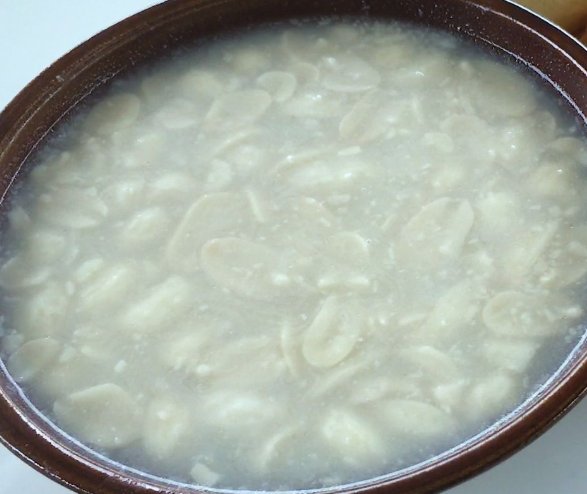
At banquets the soup often closes the meal—a wish for completeness. For travelers it’s closer to comfort than ceremony. No reservation, no long menu: open the misted door, say “peanut soup with egg,” and the cook moves faster than any guide app. Near Chengtian Temple and along old-town lanes, follow office workers rather than star ratings alone. When you wipe your mouth you’ll notice Quanzhou doesn’t rush to impress. It settles your stomach first, then hands you alleys, temples, and sea wind. That steadiness outlasts most check-in photos. Before you leave, remember the shop name on that street. It’s worth more than ten saved menus.
On-the-ground tips
Quanzhou rewards repeat visits to the same lane at different hours — morning soup stalls, afternoon tea pauses, and evening light on stone change the feel completely. Build one slow block into each day instead of chasing every pin on the map.
Screenshot Chinese names for stops and hotels; show maps to drivers. If a queue looks performative for tourists, walk one block — the second shop is often where locals eat.
Pair with nearby guides
Combine this page with our Discover introductions (Why Visit Quanzhou, First-Timer Mistakes) and the Quanzhou Food or 18 Scenic Spots topics for dish-level and site-level detail.
Corrections welcome: scoscar@gmail.com with this page URL.
Corrections and updates
Hours, prices, and transport routes change. We update guides when travelers write in from the ground. Email scoscar@gmail.com with the page URL if something no longer matches what you see.
Last reviewed with on-site practice in mind — treat every itinerary as a pacing suggestion you adjust to your energy, not a mandate.
Planning the rest of your trip
Most visitors anchor in the old city near Kaiyuan Temple and West Street — see our guides on where to stay, getting around, and sample two- and three-day itineraries. If you arrive from Xiamen, read the day-trip route before you commit to overnight bags.
Food is not a separate activity here — it paces the day. Treat each meal as a scheduled rest in shade, not an afterthought once temples are finished.
Questions or fixes: scoscar@gmail.com with this URL — on-the-ground corrections help every traveler who follows.
Last updated: 2026-08-06 · Visit Quanzhou editorial team · Report an error
Related guides
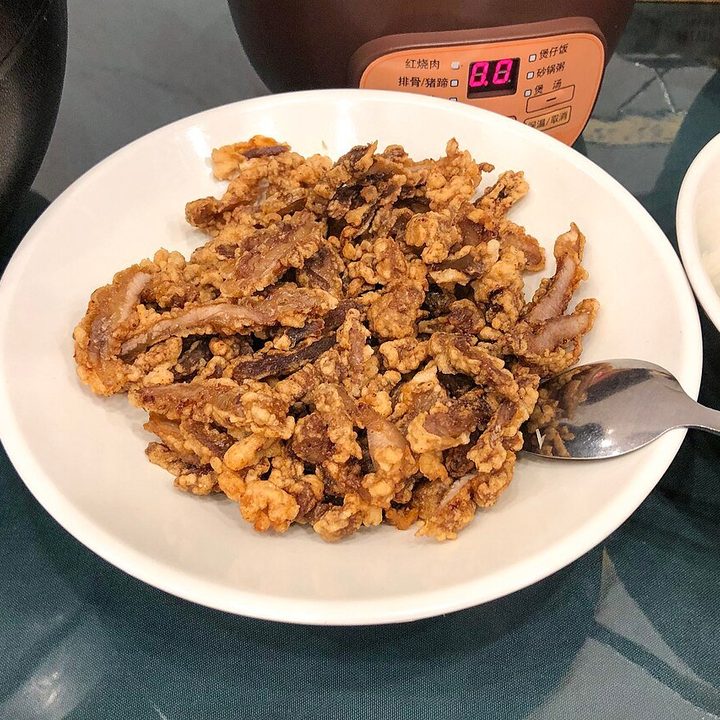
Mianxianhu: Quanzhou’s Morning Noodle Paste
Thin wheat noodles in savory paste, topped your way — the breakfast bowl that wakes old Quanzhou.
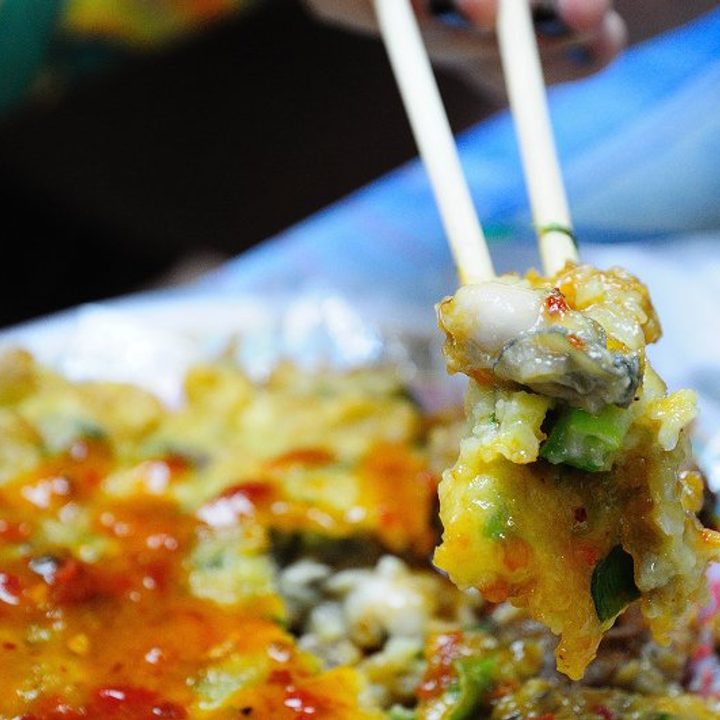
Hailijian: Coastal Oyster Omelette
Hot pan, sweet-potato starch, plump oysters — night-market sizzle from Xunpu to the old town.
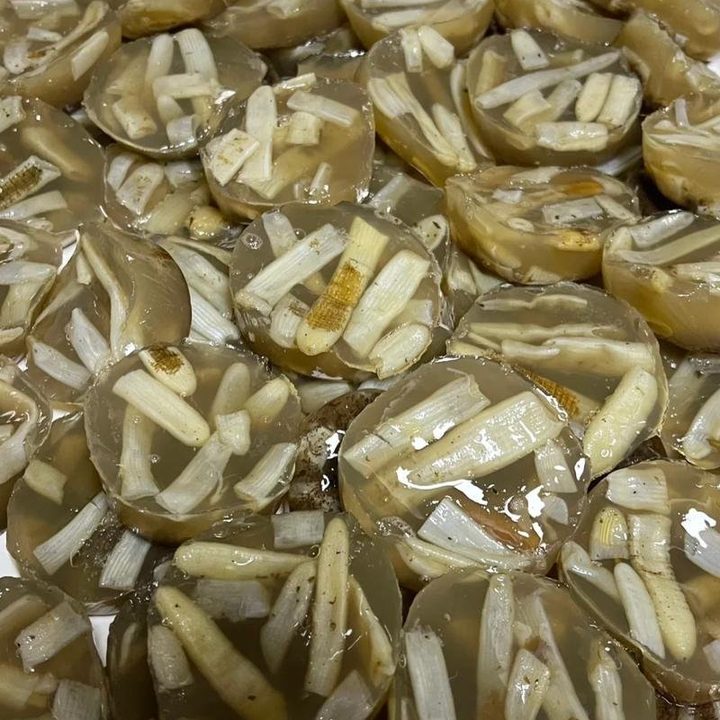
Tusundong: Anhai Sandworm Jelly
A cool, bouncy seafood jelly from coastal mudflats — love it or leave it, unmistakably Quanzhou.
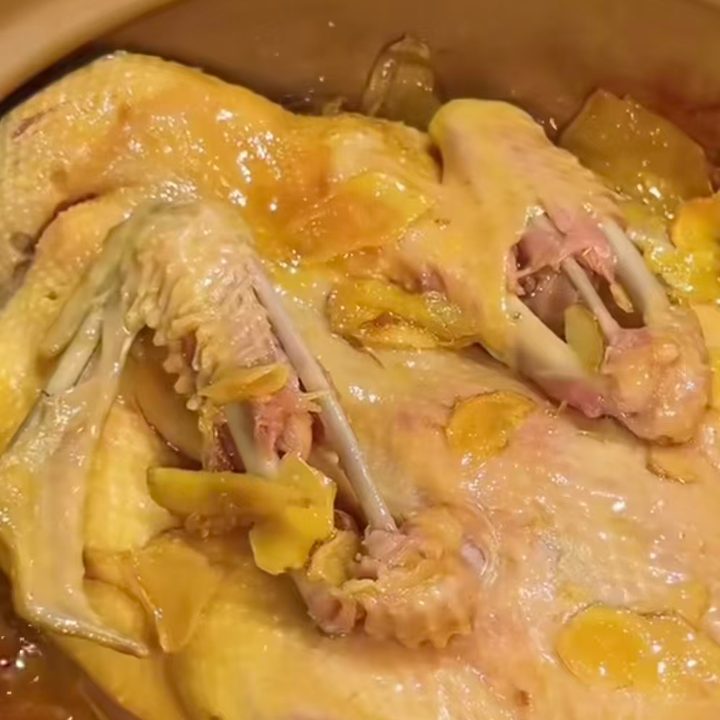
Jiangmu Duck: Old Ginger, Clay Pot Heat
Three-year ginger and muscovy duck in sesame oil — a pot worth sharing, summer or winter.
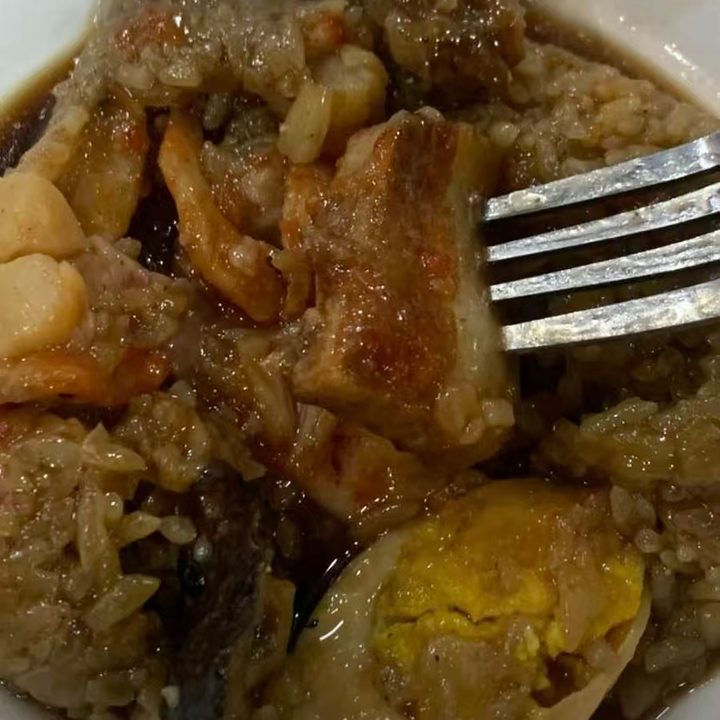
Quanzhou Rouzong: Hot Savory Rice Dumplings
Not a sweet zongzi — peel it hot, add sauce, and taste the port city’s land-and-sea filling.
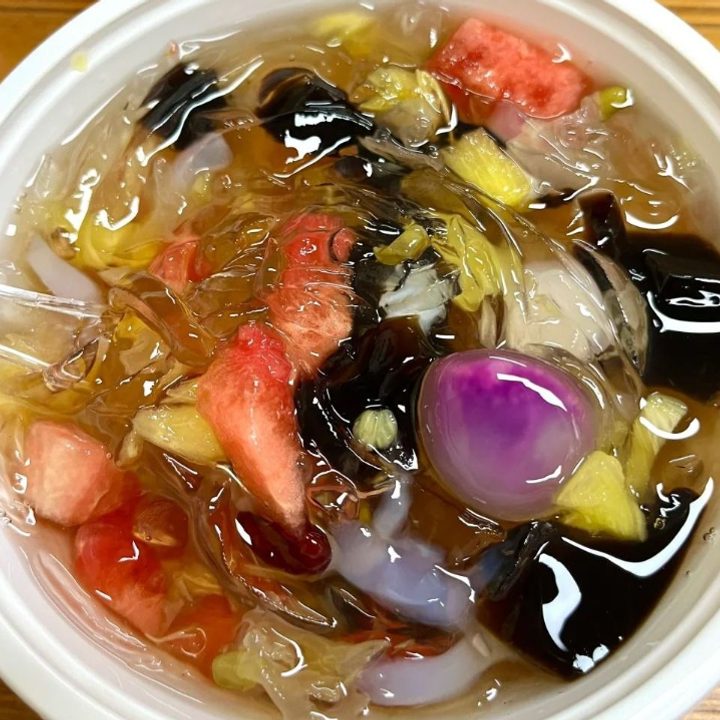
Siguotang: Summer Four-Fruits Sweet Bowl
Sea-moss jelly, beans, fruit, and ice — the easiest cool-down after temples and West Street.